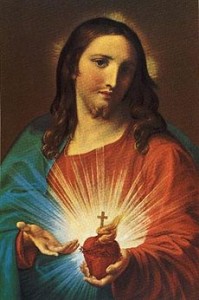
Going through the motions in your prayer life?

On this Solemnity of the Sacred Heart, I encourage you to read this reflection on prayer and the human heart written by Augustine Institute professor, Jim Beckman.  Enjoy! 

How do we get into a real and growing relationship with Jesus? How do we navigate depth in our prayer life so we’re not just going through the motions, not just putting in time? It all starts with understanding where prayer takes place-in our heart. Continue reading →

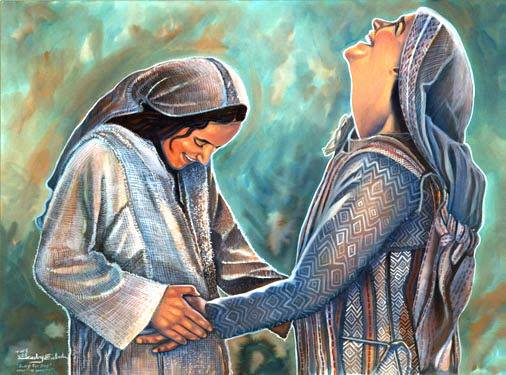
Why do we celebrate Mary’s visit to her cousin?

Imagine the meeting of these two expectant mothers. What joy and excitement they must have had for each other. The joy-filled reception of Mary and Jesus in the Visitation is reminiscent of the way the ark of the covenant was welcomed in the Old Testament. Continue reading →

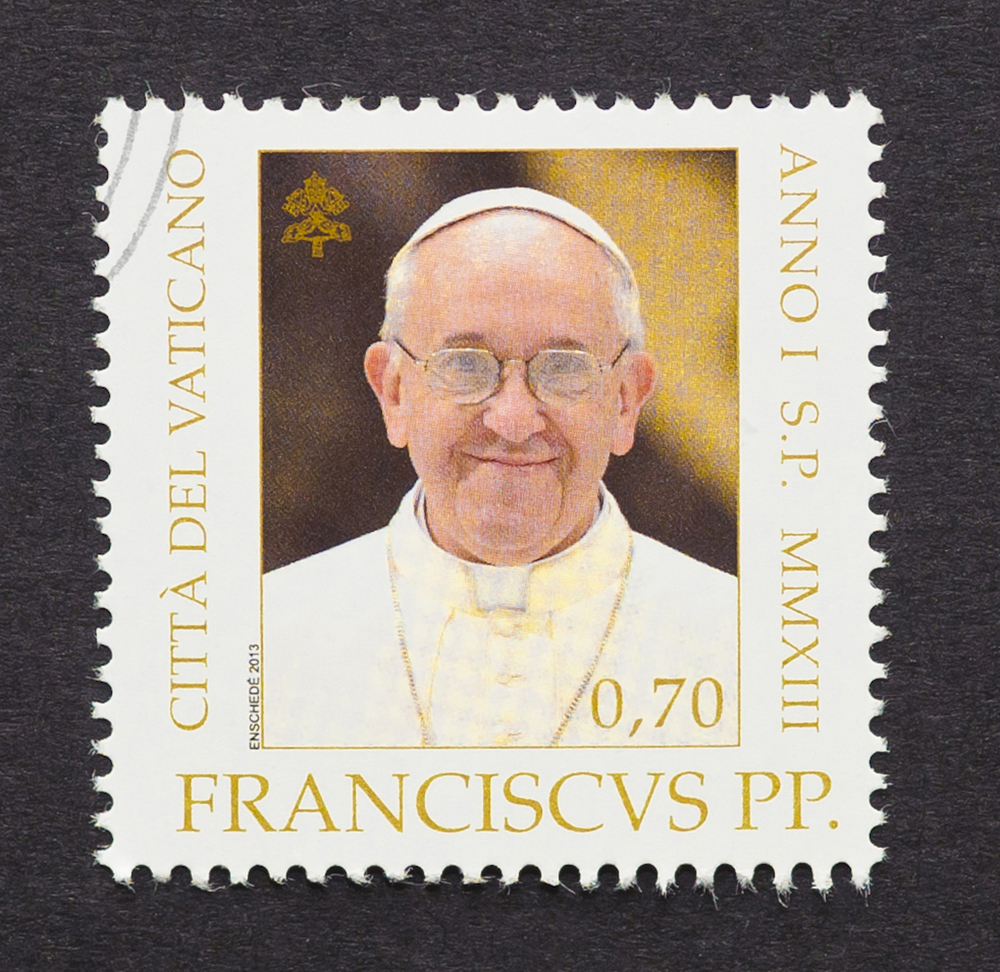
What does a 1-year old have to do with two popes?!

Check out this article, Pope Francis: Reform in the Footsteps of St. Pius V, by Augustine Institute professor, Dr. Jared Staudt to find out!

What is ‘new’ about the New Evangelization?

Over the next couple of weeks, I am going to be writing a series of blogs on the New Evangelization, and the things we want to keep in mind in terms of how we pass on the faith in this new cultural situation. Today, I want to simply clarify what the term ‘New Evangelization’ means. 

The New Evangelization is definitely a big “buzz word.” Especially since Benedict XVI called for this Year of Faith, and the Synod of the New Evangelization, the New Evangelization is very much on the forefront of the minds of many pastors, bishops and diocesan leaders. As I have been presenting to diocesan and parish leaders, I ask them “have you heard of the New Evangelization?”  Everybody raises their hand. When I ask if their diocese is doing something for the New Evangelization, most will raise their hands.  Then, I will say “who can explain for me what the New Evangelization is?” All of a sudden everyone becomes really shy, and they put their hands down.

Continue reading →

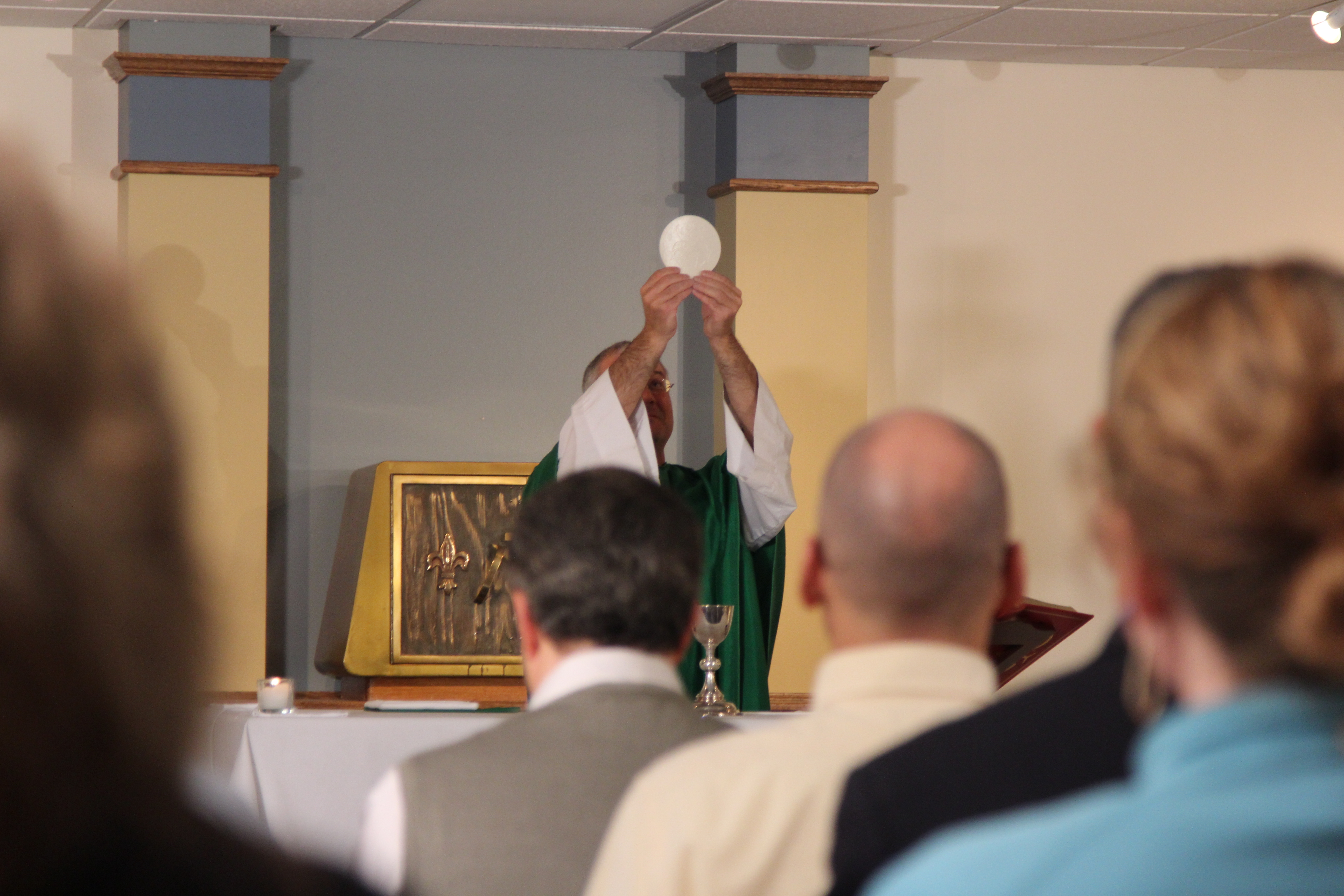
The Bread of Life

Since Christ died for us, Saint Peter reminds Christians to live a life worthy of Him:

You know that you were ransomed from the futile ways inherited from your fathers, not with perishable things such as silver or gold, but with the precious blood of Christ, like that of a lamb without blemish or spot (1 Pet. 1:18-19).

In antiquity, those who became slaves because of debt could be ransomed with gold and silver–that is, by the paying off of their debt.  Saint Peter explains that Jesus has ransomed us from the debt of sin, not by money–but rather at a far higher price, the blood of Christ, the spotless Lamb of God.  Thus Saint Paul can exclaim, “You are not your own; you were bought with a price.  So glorify God in your body” (1

Cor. 6:19-20). Continue reading →

The Martyrdom of St. Stephen

The witness and testimony of the apostles leads to the conversion of many in Jerusalem:  ”The Word of God increased; and the number of the disciples multiplied greatly in Jerusalem, and a great many of the priests were obedient to the faith” (Acts 6:7).  This growing success increases the resentment of the chief priests and leaders; a conflict is brewing, and the teaching of a Greek-speaking Jew named Stephen brings matters to a boiling point. Continue reading →

What was Mary’s life like before the Annunciation?

In the sixth month the angel Gabriel was sent from God to a city of Galilee named Nazareth, to a virgin betrothed to a man whose name was Joseph, of the house of David; and the virgin’s name was Mary. – Luke 1:26-27

What was Mary’s life like originally–before she learned that she was to become the mother of Israel’s Messiah?  While Luke’s Gospel does not offer a lot of information about the mother of Jesus, it does tell us three important details that allow us to catch a glimpse of Mary’s life before the angel Gabriel visited.

Continue reading →

In the Name of Jesus

On their way to the Temple, Peter and John encounter a man born lame begging for alms.  Peter responds that while he has no silver or gold, he will share what he has; “in the name of Jesus Christ of Nazareth, walk” (Acts 3:6).  The lame man, “leaping up,” praises God and, to the amazement of the people, he walks into the Temple to worship God.  Jesus healed a lame man (Lk 5:17-25), and now Peter, by invoking the name of Jesus, imitates his Lord. Just as Moses did signs and wonders in the Lord’s name, so now the apostles do signs and wonders in Jesus’ name.  The Greek word for “leaping up” is a rather rare word, but it is the same one used in the Septuagint translation of Isaiah 35:6, in which Isaiah described how Israel’s new Exodus would be accompanied by the lame being healed and “leaping up like a deer.”  For those who know Israel’s story, it is not just a lame man who unexpectedly jumps up to new life;  it is the prophetic oracles of Israel that seem to be jumping off the scrolls and giving glory to God.  The time of Israel’s long awaited restoration, begun in Jesus, continues with vigor in his disciples.

Continue reading →

The Road to Emmaus

The story of Jesus’ resurrection takes place on a particular day of the week, the “first day of the week, at early dawn” (Lk 24:1).  The Church Fathers understood that because of Jesus’ victory over death, a new age had dawned and therefore the resurrection marked the “first day” of the new creation.  This seems to be suggested by John, who emphasizes that Jesus’ tomb is in a garden (Jn 19:41), recalling the first creation’s Garden of Eden.  Continue reading →

Earthshaking News

As the first rays of sunlight banish the lingering darkness, a new day and age begins dawning on the world.  God’s new creation has begun.  But this is not what brings Mary Magdalene and the other Mary out to the tomb of Jesus.  These are two of the courageous women from Galilee who followed Jesus to the bitter end.  Unlike the eleven, who fled from their master in fear, the two Marys watched him die in agony and witnessed his interment in the sepulcher.  Matthew does not specify why they wish to see the tomb, but we learn from Mark 16:1 that they come with spices to complete the burial rites left unfinished by Joseph of Arimathea.

Continue reading →